A bit about me…
Hi, I’m Courtney a psychologist based in Melbourne, I’ve been working in the field for over 5 years. I was drawn to psychology through a genuine curiosity about people—what drives us, how we make sense of the world, and a strong desire to support others through the challenges life can bring.
Outside of the therapy room, I’m a big fan of the simple things—good coffee, running, reality TV, and true crime documentaries or podcasts.
I’m also a huge dog lover, and on weekends you’ll usually find me either on the couch with my dog Snoop, watching the footy or out enjoying a drink with friends.
My approach to therapy is warm, down-to-earth, and focused on helping you feel comfortable being yourself. I aim to create a space where you feel heard, understood, and supported—without things feeling too clinical or overwhelming.
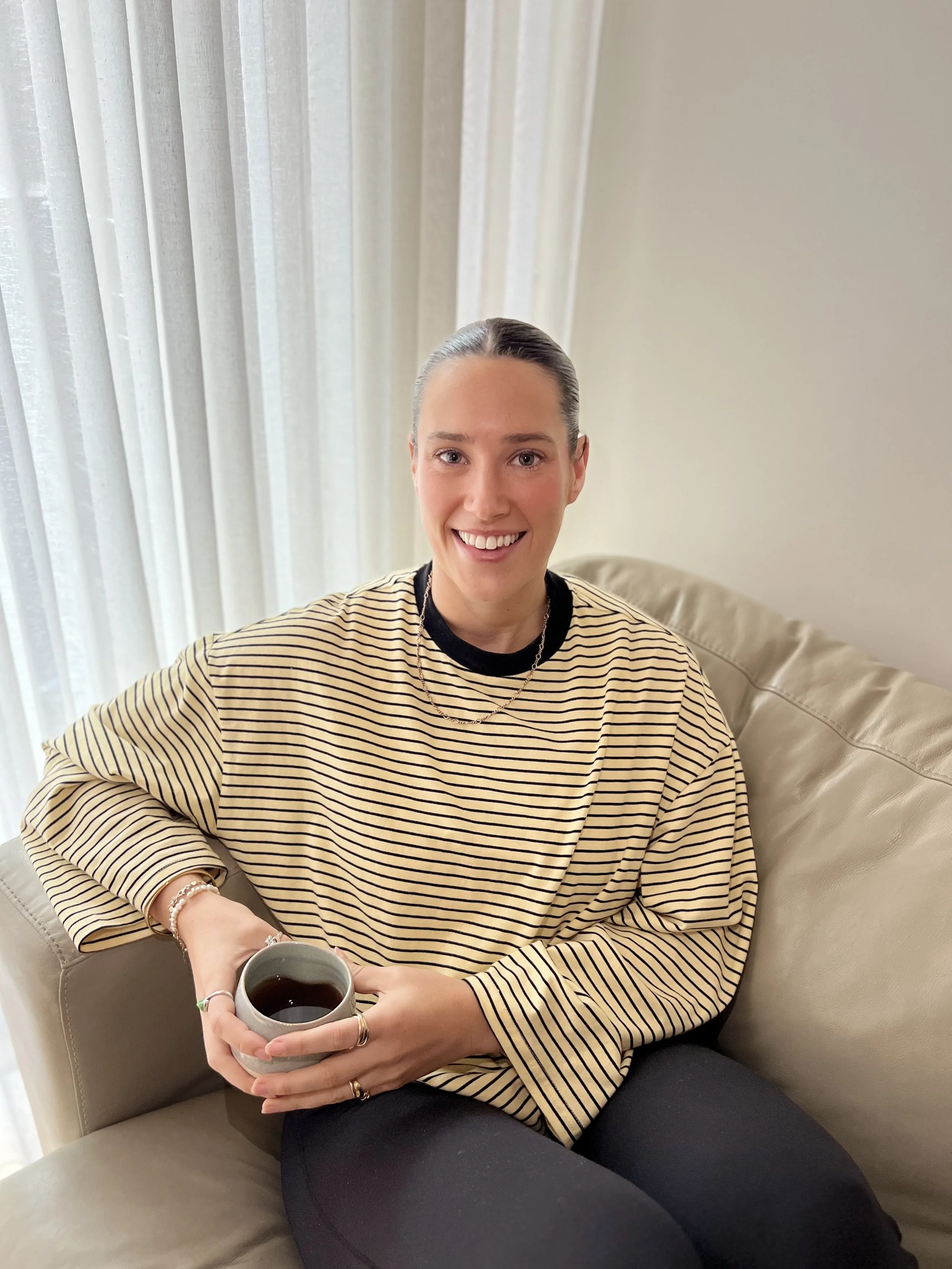
Who do I see?
I enjoy supporting young adults and adults who are navigating life’s changes and figuring out who they are along the way.
You might be feeling overwhelmed, unsure of yourself, anxious or like you’ve lost your footing a bit—and want to feel more confident, grounded, and like yourself again.
Together, we can make sense of what’s going on, build your confidence, and develop the tools to help you handle life’s ups and downs with more clarity and self-trust.
Therapeutic modalities:
I take an integrative approach to therapy, drawing on a range of evidence-based approaches to best support each person.
I enjoy helping people understand their strengths and passions, and using these as a foundation for growth.
My aim is to support meaningful change while also helping you feel more balanced and supported in your day-to-day life.
I draw from the following evidence based modalities:
Cognitive Behavioural Therapy (CBT)
Acceptance and Commitment Therapy (ACT)
Dialectical Behavioural Therapy (DBT) informed
Mindfulness
Keep scrolling to find out about the modalities
-
-
CBT is a structured approach that aims to identify and understand the ways thoughts, feelings and behaviours interact. In CBT we actively challenge negative thought patterns, beliefs and behaviours.
-
ACT focuses on building psychological flexibility by helping individuals accept their thoughts and “unhook” from them, rather than trying to fight or change them, while encouraging actions that align with personal values.
-
DBT helps people manage intense emotions and build healthier ways of coping. It focuses on practical skills like staying present, handling distress, regulating emotions, and improving relationships.
-
Mindfulness helps individuals notice their thoughts and feelings without getting caught up in them. This can ease stress and bring a sense of calm. Being more present also makes it easier to handle challenges in a steadier, more balanced way.